Logistics Trends from China to Mexico in July 2025
Given the numerous uncertainties regarding future developments, this analysis is based on current conditions, macro-level trends, and industry directions to predict and examine the evolving logistics dynamics between China and Mexico in July 2025.
I. Transportation Modes and Efficiency
1. Maritime Transport
(1). Capacity and Route Optimization:
In 2024, Mexico's average monthly imports from China reached 10.623 billion US dollars, an increase of 53.5% compared to 2019. It is expected that the bilateral trade volume will exceed 138 billion US dollars by 2025.
By July 2025, as trade volumes between China and Mexico continue to grow, major shipping companies may increase both the number and capacity of cargo vessels operating between the two countries. For example, large shipping enterprises such as COSCO Shipping may deploy more large container ships on these routes. Additionally, efforts will focus on optimizing transportation routes to reduce detours and intermediate stops, thereby decreasing overall transit time.
(2). Green and Environmental Protection Trends: The global shipping industry faces increasingly stringent environmental regulations. It is anticipated that by July 2025, more vessels utilizing environmentally friendly fuels, such as liquefied natural gas (LNG), will be deployed on the China-Mexico route to reduce carbon emissions and comply with international environmental standards.
(3). Intelligent Port Upgrades: Major ports in China and Mexico are expected to accelerate their digital transformation and intelligent upgrades. The adoption of automated terminal equipment, such as automated storage systems and intelligent guided vehicles, will become more widespread, enhancing cargo handling efficiency, reducing labor costs, and shortening operational times.
2. Air Transport
(1). Demand Growth and Increased Flight Frequency: With the growing trade of high-value goods—such as electronics and premium medical equipment—between China and Mexico, along with rising demand for timely delivery in cross-border e-commerce, the demand for air freight is expected to rise. Airlines may increase cargo flight frequencies from major Chinese cities like Beijing, Shanghai, and Shenzhen to key Mexican cities such as Mexico City and Guadalajara.
(2). Enhanced Cargo Alliance Collaboration: To improve operational efficiency and strengthen market competitiveness, airlines may deepen cooperation through cargo alliances. This could involve code-sharing, intermodal agreements, and resource integration to expand route networks and offer more comprehensive transportation services.
(3). Technology Enhances Service Quality: Leveraging big data and Internet of Things (IoT) technologies, real-time tracking and monitoring of cargo throughout the logistics chain will be achieved, improving transportation safety and transparency. Additionally, intelligent warehouse management systems will be implemented to optimize cargo storage and sorting processes at airports.
3. Land Transport and Multimodal Transport
(1). Infrastructure Development Promotes Land Transport: By 2025, infrastructure development in Central America is expected to progress, with improvements in road and rail networks creating more favorable conditions for land and multimodal transport from China to Mexico. For instance, the construction of additional cross-border road corridors could enhance the efficiency of overland freight movement.
(2). Innovation in Multimodal Transport Models: Logistics providers will explore innovative multimodal transport solutions that integrate the advantages of sea, land, and air transport to offer end-to-end logistics services. For example, goods may be shipped by sea to Central American ports and then transferred via land to inland destinations in Mexico, enabling efficient door-to-door delivery.
II. Logistics Costs and Pricing
1. Cost Factor Changes
(1). Impact of Energy Price Fluctuations: Fuel prices remain a critical factor influencing logistics costs. In July 2025, fluctuations in global energy markets will continue to affect logistics expenses between China and Mexico. A rise in oil prices would likely increase transportation costs for both sea and land routes, potentially leading to higher logistics pricing.
(2). Rising Labor Costs: As labor markets in both China and Mexico evolve, wages for logistics personnel—including port workers and truck drivers—are expected to rise. This will contribute to increased operational costs for logistics enterprises.
(3). Environmental Compliance Costs: To meet stricter environmental regulations, logistics companies are investing in cleaner transportation technologies and energy-efficient infrastructure. These investments will likely result in higher operational costs.
2. Price Trend Forecast
Considering cost dynamics and market competition, logistics prices from China to Mexico may experience fluctuations in July 2025. During peak demand periods—such as holiday seasons or promotional events—prices may rise. Conversely, during off-peak periods, prices may decline slightly. However, as competition intensifies, logistics providers may seek to control price increases by improving operational efficiency and optimizing cost structures to maintain market competitiveness.
III. Policies and Market Environment
1. Trade Policy Impact
(1). Expansion of Free Trade Agreements: If China and Mexico further strengthen their free trade agreements, reducing tariff barriers and expanding trade openness, this could stimulate increased bilateral trade and, consequently, greater logistics demand. Logistics enterprises may benefit from favorable policies by expanding their service offerings and market presence.
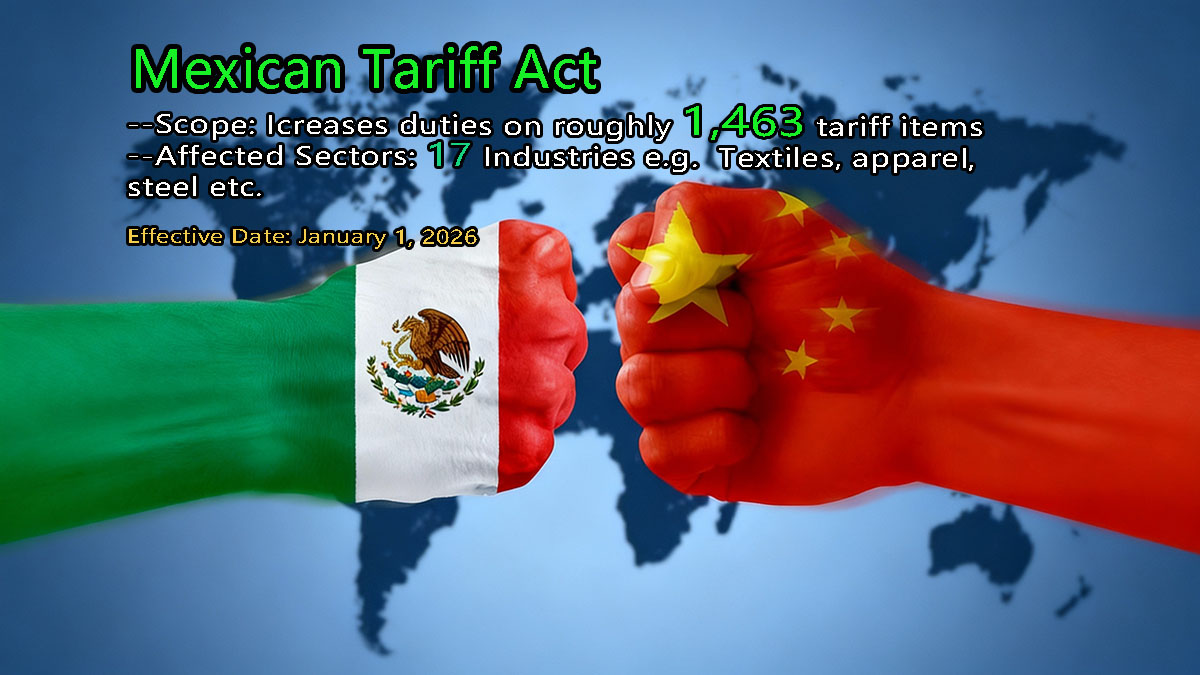
(2). Trade Protectionism Risks: Despite the trend toward free trade, risks associated with trade protectionism persist. Potential trade disputes or restrictive measures could disrupt trade flows between China and Mexico, negatively impacting logistics demand and causing price volatility.
2. Market Competition Landscape
(1). Growth of Local Logistics Providers: Mexican logistics companies are expected to grow rapidly by 2025, leveraging their local market knowledge and resource advantages to compete with international logistics firms. These companies may offer more tailored services to meet specific regional customer needs.
(2). Intensifying Cross-Border E-commerce Logistics Competition: With the rapid expansion of cross-border e-commerce between China and Mexico, competition in the logistics sector serving this market will intensify. Logistics providers must continuously enhance service quality, reduce costs, and improve delivery speed to meet the evolving demands of e-commerce clients and consumers.
IV. Technological and Service Innovation
1. Digital Technology Applications
(1). Blockchain for Logistics Security: The adoption of blockchain technology in logistics will expand. By utilizing distributed ledger and encryption technologies, logistics data can be made immutable and fully traceable, enhancing supply chain transparency and security while reducing risks of loss, damage, and fraud.
(2). AI-Driven Logistics Optimization: Artificial intelligence will be increasingly used to optimize logistics planning, including route selection, warehouse layout, and inventory management. Based on real-time data such as traffic conditions, weather, and demand forecasts, AI can intelligently determine the most efficient transportation routes, improving overall logistics efficiency and resource utilization.
2. Value-Added Service Expansion
(1). Supply Chain Financial Services: Logistics companies may collaborate with financial institutions to provide supply chain financing solutions to clients. For example, services such as accounts receivable financing and warehouse receipt pledge financing can be offered to import and export enterprises to alleviate financial pressures and support trade and logistics growth.
(2). Customized Logistics Solutions: To better meet diverse customer needs, logistics providers like Sunny Worldwide Logistics will offer more tailored logistics solutions. For large enterprise clients, comprehensive supply chain management services will be available, while middle and small-sized enterprises may benefit from flexible logistics packages designed to meet their specific requirements.
Mexico will raise the import tax on low-value packages from 19% to 33.5% starting Aug. 15
Mexico's Customs Clearance Policy Update and Response Strategies in 2025
Related blog