Is the US-Mexico Cross-Border Transportation Market Booming
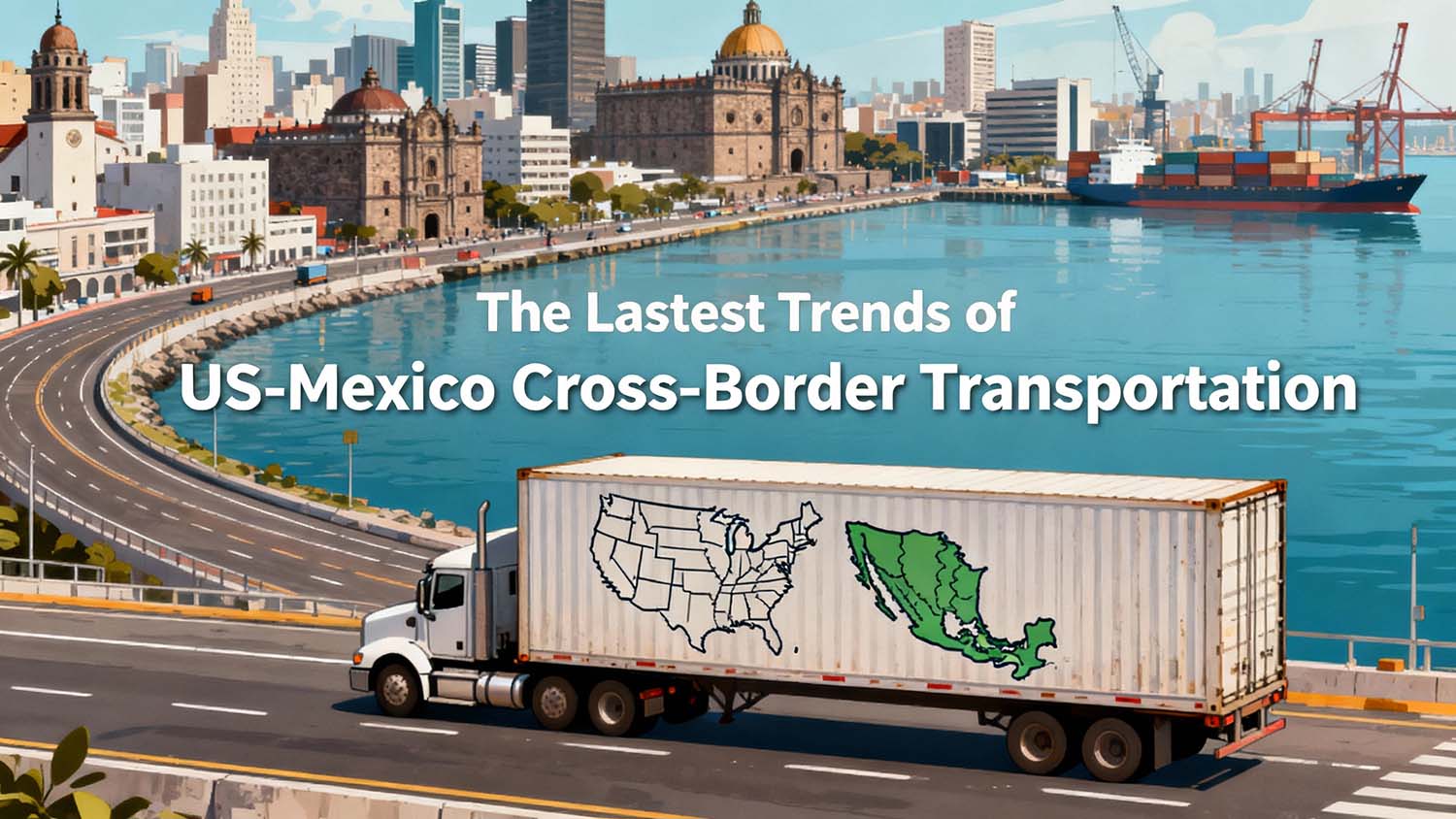
The current landscape of cross-border logistics presents a dynamic blend of opportunities and challenges:
On the one hand, cross-border trade volumes are experiencing significant growth;
On the other hand, the operational environment is becoming increasingly complex.
Below is a comprehensive analysis of the latest market trends, an essential read for professionals engaged in cross-border trade and supply chain management.
【01】Why Are Companies Increasingly Turning to Mexico?
Industry experts emphasize that this surge in cross-border activity is not abrupt but rather the culmination of long-term structural shifts.
Key Drivers Include:
1. Accelerated reconfiguration of the North American supply chain
2. Diversification of cargo flows from congested Asian routes to Mexican ports
3. Ongoing relocation of manufacturing operations, prompting more firms to leverage Mexico as an export hub
For major border hubs such as Laredo, a 6%–7% increase in freight traffic this year is projected with high confidence.
It is evident that Mexico is emerging as a strategic gateway into the North American market.
【02】With Growth Comes Heightened Risk Exposure
The industry currently faces three primary concerns:
1. Infrastructure strain(roads, ports, and customs facilities) are operating beyond capacity
2. Rising transportation security risks
3. Increasingly stringent regulatory compliance requirements
A widely cited observation within the sector states: "In cross-border transportation, there are only two types of shippers: those who have already experienced cargo theft and those who will."
Numerous logistics professionals report incidents of fraudulent inspections and armed ambushes along certain corridors, underscoring the necessity of proactive risk forecasting and mitigation strategies.
【03】Strategies to Mitigate Cross-Border Risks: Four Expert Recommendations
✔ Conduct rigorous carrier due diligence (logistics standards in Mexico differ from those in traditional North American markets)
✔ Secure comprehensive transportation insurance coverage
✔ Implement mandatory route risk assessments
✔ Ensure advanced compliance preparation, particularly regarding country-of-origin documentation
Some enterprises conduct weekly coordination meetings with local authorities to obtain updated intelligence on high-risk zones and areas with weak signal coverage, integrating technology-driven solutions for real-time route protection.
【04】Beyond Risks: Mexico Is Experiencing a Surge in Capital Inflows
In addition to rising trade volumes, Mexico has recently witnessed substantial investment inflows:
1. Attracted nearly USD 41 billion in foreign direct investment in a single quarter, a historic peak
2. Accelerated industrial expansion and continued supply chain diversification
3. Rapid development of cold chain infrastructure, warehousing facilities, and logistics centers
For instance, the newly established cold chain center in Pharr, Texas, is specifically designed to handle perishable agricultural imports from Mexico, serving as a critical node in the evolving supply chain network.
Mexico is increasingly positioned as an extension of global manufacturing in North America.
【05】The Future of Cross-Border Logistics
In summary, while opportunities continue to expand, unprepared participants face a higher likelihood of operational setbacks.
The paradigm of cross-border logistics has fundamentally shifted. It now encompasses far more than mere freight movement; it requires:
• Proactive risk assessment
• Regulatory compliance
• Strategic supply chain planning
Early adopters of this integrated approach stand to gain significant competitive advantages. For further information, please get in touch with sales specialists at Sunny Worldwide Logistics to explore customized logistics solutions tailored to your business needs.
How can exporters safeguard against the risk of losing both goods and funds when the freight forwarding operation is abnormal
Mexico Logistics Hot Events in October and Their Impact Analysis
Related blog