The Collapse of Mexican Freight Forwarder "Americ Star" and Its Causes
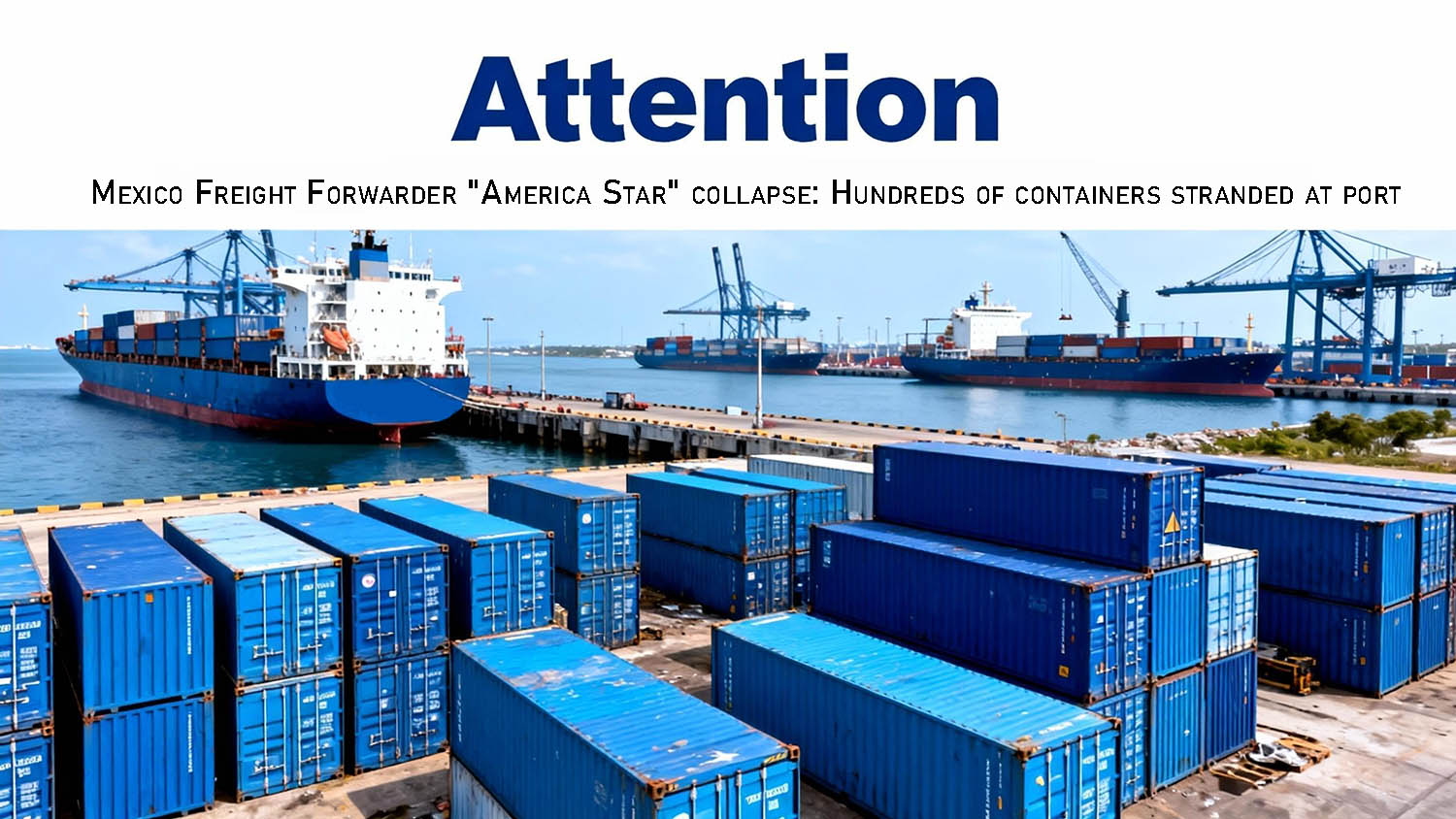
Hundreds of containers belonging to the Mexico-dedicated freight forwarder "America Star" have been stranded at the port for an extended period, unable to clear customs, triggering collective rights protection by the consignors.
As a senior expert in cross-border logistics, I view the collapse of "Americ Star" not as an isolated incident but as the inevitable result of a business model overly reliant on high-risk "shortcuts" coupled with extremely fragile internal risk resilience. The drastic changes in Mexican customs policy served as the external trigger, causing long-accumulated internal vulnerabilities to erupt simultaneously, leading to a catastrophic outcome.
The Four-Tiered Root Causes of the Collapse
1. The Immediate Trigger: Drastic Changes in Mexican Customs Policy
* On August 15, 2025, Mexico imposed a unified 33.5% high import tax on packages from non-free trade partner countries. This directly caused the clearance costs for containers already at port to skyrocket.
* Subsequently, Mexican official authorities demanded **additional clearance fees ranging from 100,000 to 500,000 MXN (approximately RMB 4,400 to 22,000) per container**, creating immense financial pressure.
2. Deep-Rooted Flaws in the Business Model: The "DDP" Model as a Ticking Time Bomb
* The core service offered by "Americ Star" was the "DDP" (Delivered Duty Paid) model, which involves handling export declaration, destination country clearance, and taxes. This model inherently operates on the edge of compliance. While seemingly efficient during periods of lax customs policy, it is highly susceptible to complete logistical paralysis once policies tighten or inspections increase due to compliance issues.
* Despite rumors of policy changes circulating as early as July, the company failed to scale back operations. Instead, it continued large-scale cargo acceptance and even acted as a clearance agent for peers, severely misjudging the risk.
3. Industry Ecology & Lack of Internal Risk Control: Price Wars and Fragile Cash Flow
* The company attracted clients through low-price strategies, severely compressing its own profit margins. This "fast turnover, small profits but quick returns" model left the company without adequate risk reserves.
* The freight forwarding industry commonly offers extended payment terms (60-90 days) to major clients, making cash flow heavily dependent on accounts receivable and the capital chain exceptionally fragile. When a sudden event required advancing huge funds, the chain snapped instantly.
* Information suggests that "Americ Star" and several other forwarding companies might have been under **the same actual controller**. This practice amplified risk exposure and meant that associated companies could drag each other down when problems arose.
4. Mishandling of the Crisis: Communication Failure and Collapse of Trust
* In the early stages of the crisis, the company placated shippers by citing tax reforms and customs inspections but failed to provide effective solutions. The subsequent process of demanding additional fees from shippers was chaotic. Furthermore, some shippers (especially those with small parcels), operating on thin margins, were unwilling to bear the sudden high costs, leading to a deadlock in cost-sharing and a complete halt in cargo processing.
* Ultimately, the actual controller disappeared, the company ceased operations, and shippers engaged in collective action to protect their rights.
Industry Context and Broader Impact of the Event
* A Microcosm of Industry Distress: This event is not an isolated case. Since 2025, the cross-border freight forwarding industry has experienced a "wave of collapses," affecting companies from emerging platforms to established firms with 34 years of history. The industry is undergoing a severe reshuffle driven by changes in the global economic environment, cut-throat competition, and an accelerating push for compliance.
* Exacerbated Risks of "High-Risk Routes": The Mexico route, already notorious for its volatile policies and complex clearance procedures—often dubbed a "death route"—has seen its risks starkly confirmed by this event. It highlights the significant policy and compliance risks inherent in emerging markets.
* The Ultimate Cost Bearers: The primary losses are ultimately borne by small and medium-sized cross-border sellers. They face not only total cargo loss and missing crucial sales seasons (like Christmas) but also the risk of business closure due to broken cash flow. The foundational trust within the industry has been severely shaken.
Lessons and Recommendations for Different Stakeholders
This incident serves as a profound lesson for all players in the field:
* For Cross-Border Sellers: When choosing logistics partners, the priority must shift **from "price-first" to "risk-control-first."
Key evaluation criteria should include:
1. Company Credentials and Transparency: Verify registration details, operational history, and be wary of companies with unclear actual controllers or complex corporate affiliations.
2. Compliance of Business Models: Exercise extreme caution with ultra-low quotes like "DDP." Ensure contracts clearly stipulate responsibilities for clearance, fee breakdowns, and procedures for handling exceptions.
3. Risk Diversification: Avoid concentrating all shipments with a single forwarder or on a single route.
* For Freight Forwarding Companies: It is imperative to abandon the short-sighted "quick profit" mentality and build a sustainable business model. This involves:
1. Strengthening capabilities for policy research and risk anticipation, especially for sensitive markets.
2. Establishing robust capital management systems with sufficient risk reserve funds.
3. Treating compliant operations as a lifeline and gradually phasing out high-risk gray-area practices.
* For the Industry: This event may accelerate industry consolidation and standardization. Reputable, stable, and financially sound medium-to-large logistics providers will gain more trust, and industry entry barriers will be effectively raised.
In summary, the collapse of "Americ Star" resulted from the resonance of multiple risk factors. It marks the end of the industry's era of extensive, rough development. Moving forward, whether for sellers selecting service providers or forwarders managing their operations, respect for risk, adherence to compliance, and prioritization of financial security will form the baseline for survival and growth.
For the same shipment, some freight forwarders can handle it in two days, while others are still stuck at the port after two weeks.
The difference often lies in:
✔ Whether the documents have been reviewed in advance
✔ Whether the customs declaration is compliant
✔ Whether the logistics plan is sound
What Sunny Worldwide Logistics does is to help you turn the "uncertain" into the "controllable".
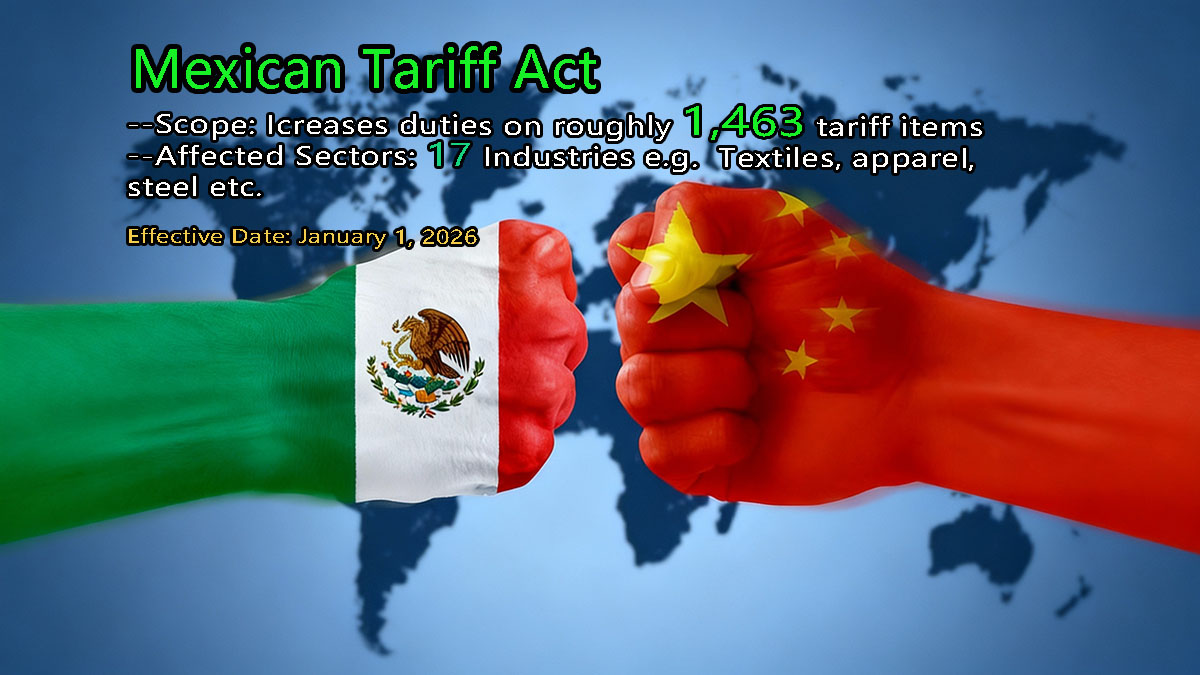
The Mexican Senate approved amendments to the Law on General Import and Export Duties introducing substantial tariff increases on 1,463 tariff lines
How can exporters safeguard against the risk of losing both goods and funds when the freight forwarding operation is abnormal
Related blog