How can exporters safeguard against the risk of losing both goods and funds when the freight forwarding operation is abnormal

The cross-border logistics sector has once again come under scrutiny as three freight forwarding companies in Shenzhen have recently encountered operational collapses. How can exporters safeguard against the risk of losing both goods and funds?
In recent months, multiple cross-border logistics providers have reported disruptions in their operations, intensifying industry-wide concerns regarding supply chain reliability. Over the past few years, the cross-border logistics industry has experienced a recurring pattern of corporate failures—commonly referred to as "explosions"—which not only result in significant financial and material losses for sellers but also undermine the compliance framework of the sector. These incidents create vulnerabilities within the already intricate ecosystem of cross-border trade, threatening the stability and sustainable development of the entire industry.
Three freight forwarders based in Shenzhen have recently ceased operations.
A recent social media disclosure revealed that Honghu International Freight Forwarding Technology (Shenzhen) Co., Ltd. accepted air cargo shipments in June but subsequently delayed settlement under the pretext of "pending financial audit," before ultimately becoming unreachable—failing to respond to phone calls or WeChat messages. Upon visiting the company’s registered office, the complainant discovered that the premises had been vacated.
Prior to Honghu International, two other logistics firms had already faced similar fates earlier this year. In February 2025, Dongguan Hongqimi Logistics issued an official notice announcing its cessation of operations effective February 28, citing a deteriorating market environment and sustained operating losses, with all staff being laid off.
Shortly thereafter, Command International Freight Forwarding (Shenzhen) Co., Ltd.—a seasoned player established in 2008 with 17 years of operational history—was exposed for serious misconduct. The company was accused of absconding without fulfilling contractual obligations and was fined a total of RMB 487,900 by tax authorities for tax evasion. Official records indicate that the enterprise has been classified as "fugitive (out of contact)," and its legal representative has been placed on a high-consumption restriction list. Notably, since 2020, Command International has undergone frequent changes to its registration details. After 2022, it became increasingly involved in litigation and has been repeatedly listed as a discredited judgment debtor.
According to incomplete statistics, nearly ten cross-border logistics enterprises have encountered operational difficulties since the beginning of the year. From Hongqimi Logistics in February, to Command International in May, and now Honghu International, the sector continues to face repeated shocks, severely eroding market confidence and operational resilience.
What strategies should exporters adopt when confronted with the bankruptcy of a freight forwarder?
While it may be impossible to predict precisely which company will fail next, sellers can systematically mitigate risks through the following measures:
- Conduct thorough due diligence: Prior to establishing cooperation, rigorously verify the freight forwarder’s business license, industry-specific qualifications, date of establishment, and equity structure. Exercise caution with companies exhibiting frequent changes in registration information.
- Assess compliance history: Utilize authoritative platforms such as the National Enterprise Credit Information Publicity System and official tax authority announcements to investigate any records of violations, legal disputes, or administrative penalties.
- Avoid overemphasis on cost: Competitive pricing should not be the sole criterion. Risk management capability, service continuity, and compliance standards must be integrated into the evaluation process, shifting the focus from price-based to value-based selection.
- Diversify logistics channels: For high-value shipments, consider staggered deliveries via multiple logistics providers to avoid concentration risk.
- Monitor ongoing performance and reputation: Stay informed about the operational status of current partners and actively track industry sentiment and peer feedback.
Amid escalating risks in cross-border logistics, building comprehensive risk awareness across the supply chain is essential. Only by selecting logistics partners with proven operational sustainability and a strong commitment to regulatory compliance can businesses better protect their assets and ensure long-term operational stability.
For up-to-date insights on industry developments and recommendations for compliant logistics solutions, please follow Sunny Worldwide Logistics.
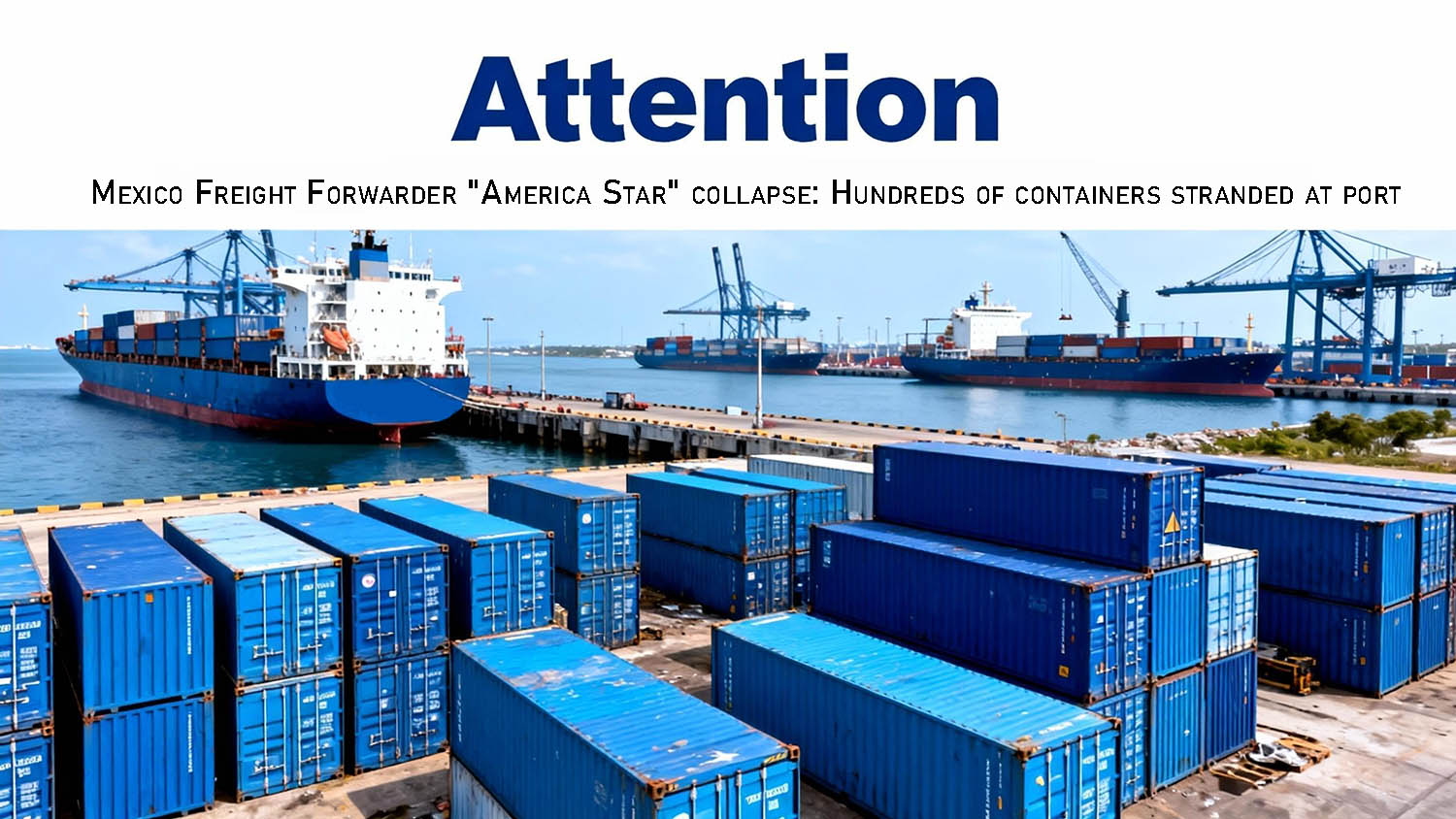
The Collapse of Mexican Freight Forwarder "Americ Star" and Its Causes
Is the US-Mexico Cross-Border Transportation Market Booming
Related blog