Special requirements and challenges of customs clearance in Mexico

As China-Mexico trade continues to deepen, the special requirements and complex challenges of customs clearance in Mexico have become the core issues of concern for cross-border enterprises. As an important hub connecting North America and Latin America, the compliance and efficiency of Mexico's customs clearance process directly affect the circulation speed and cost of goods. The following analysis is carried out from three aspects: special requirements, core challenges and coping strategies.
I. Special requirements for customs clearance in Mexico
1. Strictness of documents and declarations
Mexican customs requires complete customs clearance documents, including commercial invoices, packing lists, bills of lading, certificates of origin and import licenses (for specific goods). The documents must accurately describe the information of the goods (such as name, quantity, value), and any deviation may result in inspection delays or fines. For example, agricultural products, chemicals, etc. require additional health certificates or safety permits.
2. Tariffs and tax calculation rules
Mexico adopts an ad valorem tax system, and the tariff amount is determined based on the type of goods, origin and declared value. Enterprises should be careful not to underestimate the value of goods, otherwise the customs will re-determine the market price and may impose additional fines. In addition, some goods are subject to value-added tax (IVA) and anti-dumping duties.
3. Import control of special goods
Electronic products, auto parts, medicines, etc. need to apply for import licenses in advance and must comply with Mexico's mandatory standards (NOM certification). Intellectual property protection is particularly strict, and branded goods must provide proof of trademark authorization, otherwise they may be detained.
4. Security inspection and inspection mechanism
Mexican customs implements a "traffic light" spot inspection system, and high-risk goods are subject to X-ray scanning or manual unpacking inspection. Due to political turmoil in 2023, the inspection frequency increased significantly, further extending the customs clearance cycle.
II. The core challenges currently faced
1. Political and social turmoil affect customs clearance efficiency
In 2024, the political fluctuations in Mexico led to frequent changes in senior customs officials, and the customs clearance process was once in chaos. Social problems such as port strikes and railway transportation interruptions have exacerbated the uncertainty of the supply chain. 2. Port congestion and infrastructure bottlenecks.
Major ports such as Manzanillo are facing a shortage of trailers and container detentions due to a surge in shipping volume, and the average waiting time for goods has been extended to 5-7 days. Although emerging ports such as Lazaro Cardenas provide direct rail services to the United States, their capacity has not yet been fully released.
3. Customs clearance delays and container inspection risks
Mexico's customs inspection rate remains high, and the probability of container inspection for sensitive goods (such as high-value electronic products) exceeds 30%. If the documents are incomplete or the goods and documents do not match, the customs clearance time may be extended from the usual 3-7 days to more than 15 days.
4. Hidden costs and compliance risks
Companies need to bear storage fees, demurrage fees and possible fines. For example, unsettled ocean freight or missed loading errors may result in the seizure of goods. In addition, cultural differences and language barriers may increase communication costs.
III. Response strategies and industry recommendations
1. Choose professional customs clearance agents and double-clearance tax package services
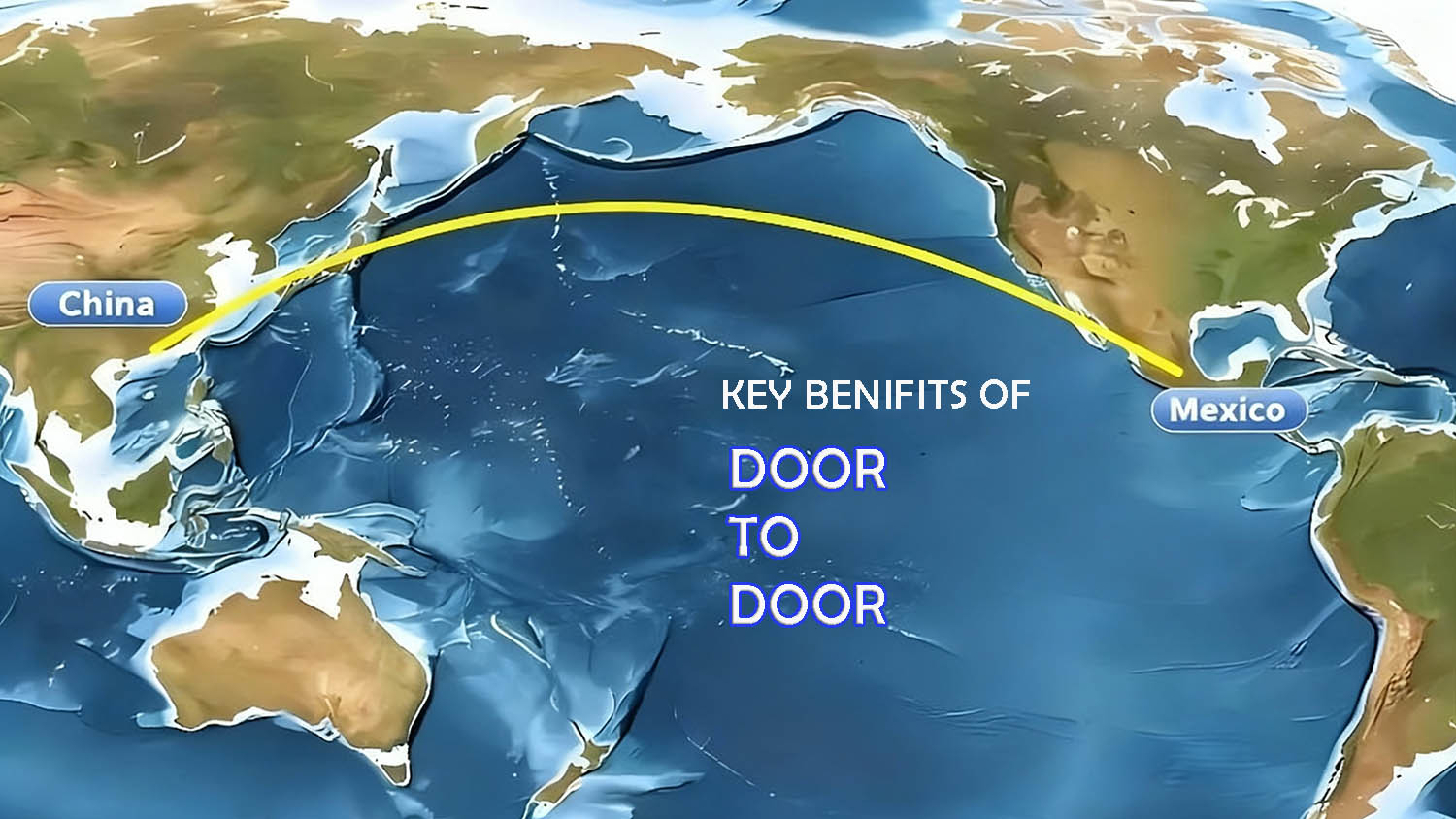
Entrusting a freight forwarding company with local experience can significantly reduce risks. Double-clearance tax package services (DDP) cover import and export customs declarations, tax payment and terminal delivery, especially for small and medium-sized enterprises. For example, companies such as Fanglian International Logistics provide door-to-door services to ensure compliance throughout the process.
2. Advance preparation and compliance operations
- Document pre-examination: Ensure that the invoice, packing list and bill of lading information are consistent, and apply for licenses in advance for special goods.
- Packaging compliance: Dangerous goods must comply with IMO standards, and fragile goods must be protected.
- Insurance protection: Purchase marine insurance to deal with cargo damage or delays.
3. Dynamic monitoring and emergency plans
Use the real-time tracking system of the logistics company to follow up on the customs clearance progress in a timely manner. For inspection risks, reserve a 10-15 day buffer period and develop alternative transportation plans.
4. Pay attention to policy changes and port development
Mexico is accelerating the expansion of ports such as Manzanillo and Lazaro Cardenas Port, and future capacity increases may ease congestion.
Enterprises need to continue to pay attention to customs policy updates, such as the enhanced electronic customs declaration measures that may be implemented in 2025.
Conclusion
The complexity and challenges of Mexican maritime customs clearance require companies to have both compliance awareness and flexible response capabilities. Through professional services, meticulous preparations and keen insights into policies, cross-border sellers can effectively reduce risks and seize growth opportunities in China-Mexico trade. In the future, with the upgrading of Mexican port infrastructure and the advancement of digital customs clearance, industry efficiency is expected to further improve, but compliance and risk management will always be core competitive barriers.
How to obtain the quotation and delivery time for air freight from China to Mexico
Guide to Applying for the Certificate of Free Sale (CFS) in Mexico