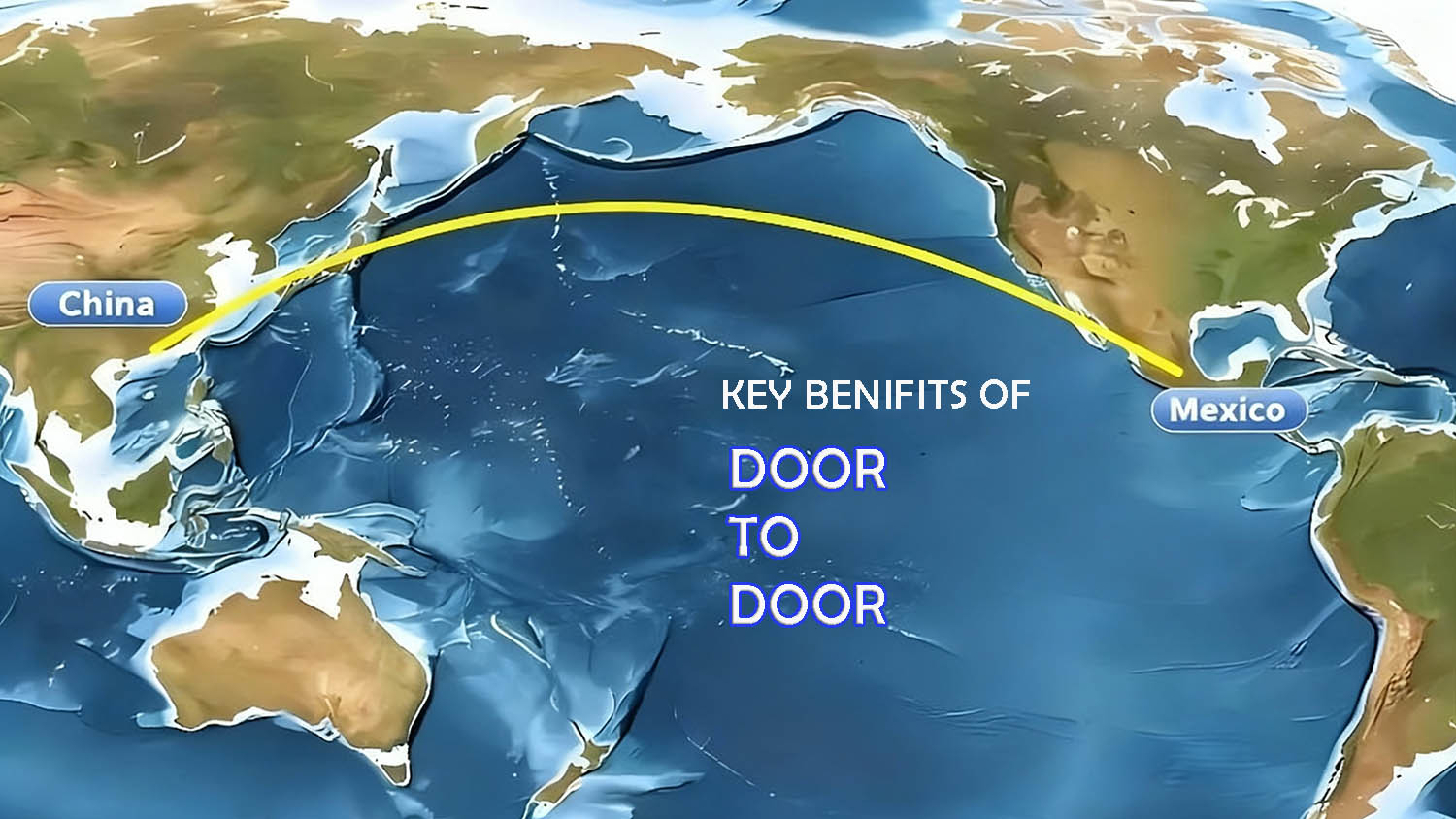
What DDP workflow we need to know

As a significant trade hub in Latin America, Mexico has a complex yet highly standardized customs clearance process. There are the some core steps and document requirements for customs clearance as following:
1. Customs Clearance Process
- Document Submission
Upon arrival of goods at a Mexican port or airport, customs clearance documents must be submitted. These include commercial invoices, packing lists, bills of lading, certificates of origin, etc.
Notes!!!

- All documents must be completed in Spanish with accurate information.
- Electronic submission is the primary method, conducted through the Mexican Customs electronic system (e.g., "Pedimento").
- Document submission should be completed within 72 hours prior to the arrival of goods (pre-declaration system) to expedite clearance.
- Traffic Light Inspection
Mexican Customs employs a "traffic light system" for random inspections. Green indicates direct release, red requires further inspection, and yellow necessitates supplementary documentation.
Notes!!!
Red light inspections may extend clearance times, typically lasting 1-3 working days.
- Tax Payment
Duties, VAT (usually 16%), and other additional charges are calculated based on the type and value of the goods.
Notes!!!
- Tariff rates are determined according to the Mexican Customs Tariff Number (TIGIE), and some goods may qualify for preferential rates (e.g., under free trade agreements).
- Value Added Tax (IVA) is levied at 16% of the CIF price (cost + insurance + freight).
- Failure to pay taxes on time may result in goods detention and demurrage charges (ranging from USD 200-500 per day).
- Approval and Release
After customs approval, goods can be picked up, completing final customs clearance procedures such as obtaining export certificates (if transshipment is required).
2. List of Key Documents
- Commercial Invoice
The invoice must specify product descriptions, unit prices, total prices, trade terms (e.g., FOB, CIF), etc. A professional Spanish translation must be attached, preferably certified by an authorized translator.
Notes!!!
The invoice amount should align with the contract to avoid customs scrutiny due to discrepancies.
- Certificate of Origin
Some goods require a certificate of origin to qualify for tariff preferences (e.g., under the USMCA). This must be issued by the Chamber of Commerce or an official body of the exporting country.
Notes!!!
The certificate must correspond with the invoice, packing list, and other documents.
- Import License
Certain goods (e.g., agricultural products, chemicals, medical devices) require an import license obtained prior to arrival at the port. Failure to secure the necessary permit may result in goods being seized or returned.
3. Precautions
- Intellectual Property Protection
Mexican Customs rigorously inspects infringing goods (e.g., counterfeit electronics and clothing). Importers must provide brand authorization letters or trademark registration certificates to prevent goods from being detained or destroyed.
- Logistics Agent Selection
It is advisable to engage a qualified customs clearance company or logistics agent familiar with Mexican customs regulations to handle complex procedures and unexpected issues. Agents can assist with pre-declaration, tax payment, and other services.
- Special Commodity Requirements
- Agricultural Products: An SADER (Ministry of Agriculture) permit must be obtained in advance, along with a phytosanitary certificate.
- Chemicals: MSDS and Mexican official certification are required.
- Medical Devices: An import license from COFEPRIS (Ministry of Health) is mandatory.
- Free Sales Certificate: For specific products like medical devices, cosmetics, and food intended for sale in the Mexican market, importers must apply through designated agencies to obtain market access.
- Chemicals: MSDS and Mexican official certification are required.
- Medical Devices: An import license from COFEPRIS (Ministry of Health) is mandatory.
- Free Sales Certificate: For specific products like medical devices, cosmetics, and food intended for sale in the Mexican market, importers must apply through designated agencies to obtain market access.
What You Need to Know About NOM Certification in Mexico